
What Are the Disadvantages of a Walk-In Shower?
Walk-in showers have become increasingly popular among homeowners who want a modern, open, and accessible bathroom design. They can make a bathroom feel more spacious and can be easier to enter than a traditional tub-shower combination.
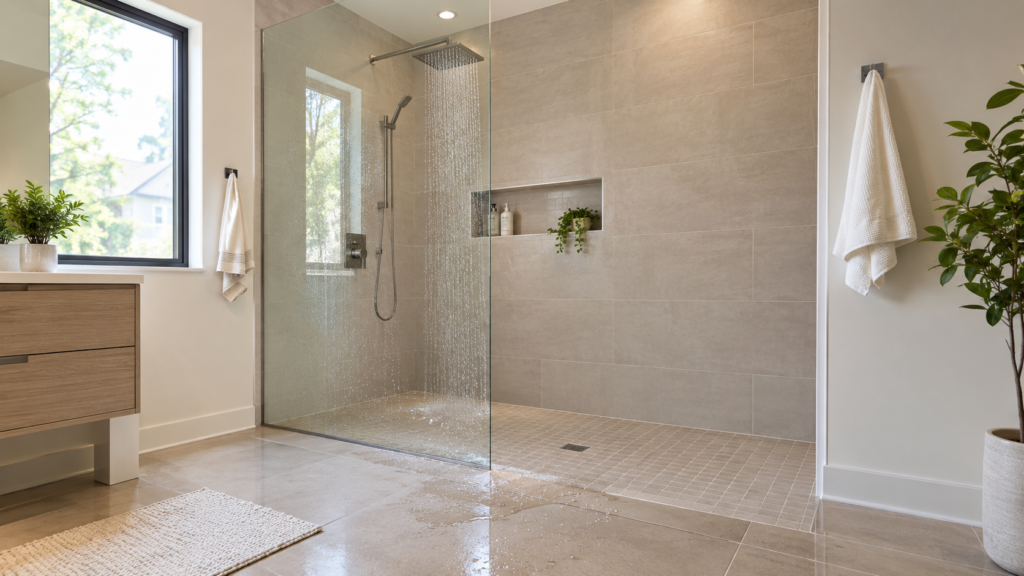
However, what are the disadvantages of a walk-in shower? Like any bathroom upgrade, walk-in showers have some potential drawbacks that homeowners should consider before making a decision. Water splashing, installation costs, drainage requirements, privacy, and maintenance can all affect whether this type of shower is right for your home.
Understanding both the advantages and disadvantages can help Alpharetta homeowners choose a shower design that fits their bathroom, lifestyle, and budget.
What Are the Main Disadvantages of a Walk-In Shower?
A walk-in shower can be an excellent choice, but it is not ideal for every bathroom. Some of the most common disadvantages include:
-
Higher installation costs for certain designs
-
Water splashing outside the shower area
-
Greater waterproofing requirements
-
Potential drainage challenges
-
Less privacy with open designs
-
Cooler showering experience
-
More frequent cleaning in some configurations
-
Reduced bathtub functionality for certain households
The severity of these drawbacks depends largely on the shower’s design and the quality of its installation.
1. Walk-In Showers Can Cost More to Install
A basic walk-in shower may be relatively straightforward to install, but custom designs can become expensive. Large-format tile, frameless glass, premium fixtures, built-in benches, recessed niches, and specialized drainage systems can all increase the project cost.
A tub-to-shower conversion can also require demolition, plumbing adjustments, waterproofing, and new wall and floor surfaces.
For homeowners comparing options, it is important to consider the complete installation rather than looking only at the cost of the shower enclosure or fixtures.
2. Water Can Splash Outside the Shower
One of the biggest concerns with an open walk-in shower is water escaping into the surrounding bathroom.
A poorly designed shower can allow water to splash onto the floor, especially if the shower opening is too large or the showerhead is positioned incorrectly. This can create slippery surfaces and increase cleaning requirements.
Fortunately, good planning can reduce this problem. Shower size, glass placement, showerhead position, floor slope, and drainage should all be considered during installation.
3. Waterproofing Becomes Especially Important
Waterproofing is essential for any shower, but it is particularly important in an open or custom walk-in design. Water can reach surrounding walls and floors if the shower is not properly designed and sealed.
Inadequate waterproofing can eventually contribute to moisture damage, mold growth, or deterioration of surrounding materials.
A professional installation should account for waterproofing behind shower surfaces as well as proper drainage and sealing.
4. Drainage Needs Careful Planning
A walk-in shower needs to direct water efficiently toward the drain. If the floor does not have the appropriate slope or the drain cannot handle the water flow, standing water can become a problem.
Linear drains and other modern drainage solutions can provide attractive options for some walk-in shower designs, but they still need to be installed correctly.
Existing bathroom conditions should be evaluated before deciding on the final shower layout.
5. Open Designs May Provide Less Privacy
Some walk-in showers use a single glass panel or have no traditional shower door. While this can make the bathroom feel larger, it may provide less privacy than a fully enclosed shower.
Homeowners who share a bathroom may prefer a design with a door, frosted glass, or a more enclosed shower configuration.
The right choice depends on how the bathroom is used and the homeowner’s personal preferences.
6. Walk-In Showers Can Feel Cooler
Traditional shower enclosures can retain more warmth because they have a door or enclosed structure. An open walk-in shower allows more warm air to escape.
This can make the shower feel cooler, particularly during colder weather.
A larger bathroom, open shower entrance, or poorly positioned showerhead can make this effect more noticeable. Proper bathroom ventilation is also important for controlling humidity without making the room unnecessarily uncomfortable.
7. Some Walk-In Showers Require More Cleaning
Glass panels can show water spots, soap residue, and mineral buildup. Depending on the materials used, grout lines can also require regular cleaning.
A frameless glass shower can look elegant, but homeowners should be prepared for routine maintenance.
Choosing easy-to-clean surfaces and maintaining the shower regularly can help reduce buildup and keep the bathroom looking its best.
8. You May Lose Bathtub Functionality
If you replace your only bathtub with a walk-in shower, you will no longer have a tub available for bathing.
This may not matter to many homeowners, but families with young children may find a bathtub more convenient. Before completing a tub-to-shower conversion, consider how the bathroom will be used now and in the future.
Walk-In Shower Disadvantages at a Glance
The following table summarizes the major considerations homeowners should evaluate before choosing a walk-in shower.
|
Potential Disadvantage |
What Homeowners Should Consider |
|
Higher installation cost |
Custom materials, glass, plumbing, and features can increase the budget |
|
Water splashing |
Shower layout and glass placement should be carefully planned |
|
Waterproofing requirements |
Proper waterproofing helps protect walls and surrounding structures |
|
Drainage concerns |
Correct floor slope and drain placement are important |
|
Less privacy |
Open designs may provide less privacy than enclosed showers |
|
Cooler environment |
Open entrances can allow warm air to escape |
|
Cleaning requirements |
Glass and grout may require regular maintenance |
|
Loss of bathtub |
Replacing the only tub may not suit every household |
Bathroom remodeling should take applicable building, plumbing, and accessibility requirements into account. The following organizations provide authoritative information and standards relevant to residential shower design and construction.
Source details: ICC and IAPMO provide construction and plumbing code resources, while the U.S. Access Board provides accessibility guidance. Local requirements, permits, and applicable codes should be confirmed for the specific Alpharetta project.
Are Walk-In Showers Still Worth It?
Despite these potential disadvantages, a walk-in shower can be a practical choice for many homeowners. The key is choosing a design that addresses the limitations before installation begins.
For example, proper glass placement can help control splashing, while appropriate floor slope and drainage can help prevent standing water. Selecting suitable surfaces can also make cleaning easier.
The best shower design depends on the bathroom’s size, plumbing layout, household needs, and long-term plans.
How Can You Reduce the Disadvantages of a Walk-In Shower?
Many common problems can be minimized through careful planning.
Consider using a properly positioned glass panel or door if water splash is a concern. Choose slip-resistant flooring and make sure the shower floor has appropriate drainage. Quality waterproofing should also be treated as an essential part of the project rather than an optional upgrade.
If accessibility is a priority, features such as a low-threshold entry, grab bars, handheld showerhead, or built-in seating can be considered during the design stage.
Planning these features before installation is generally easier than trying to modify the shower later.
Why Choose JustFixToday for Bathroom and Shower Projects in Alpharetta?
The quality of the installation can make a major difference in how well a walk-in shower performs over time. Problems with drainage, waterproofing, plumbing, or shower surfaces can turn an otherwise attractive bathroom upgrade into an ongoing maintenance issue.
JustFixToday helps homeowners in Alpharetta with home improvement and repair needs. Whether you’re considering a new walk-in shower, planning a tub-to-shower conversion, or need help with an existing bathroom issue, professional assistance can help you evaluate the project before work begins.
A proper assessment can help identify potential concerns with the existing layout, plumbing, surfaces, drainage, and other aspects of the bathroom.
Final Thoughts
So, what are the disadvantages of a walk-in shower? The main considerations include installation cost, water splash, waterproofing, drainage, privacy, temperature, cleaning, and the potential loss of bathtub functionality.
However, most of these concerns can be addressed through thoughtful design and proper installation. A walk-in shower can still be an excellent option when its design matches the bathroom and the needs of the people using it.
Before making the switch, consider your available space, budget, household requirements, and long-term plans. A professional evaluation can help you determine whether a walk-in shower is the right choice for your Alpharetta home.
Frequently Asked Questions
1. What is the biggest disadvantage of a walk-in shower?
Water splashing and the higher cost of some custom installations are common concerns. Proper shower layout, glass placement, drainage, and waterproofing can help minimize these issues.
2. Do walk-in showers get water all over the bathroom?
They can if the shower is poorly designed or lacks adequate splash protection. Correct sizing, floor slope, drainage, and strategically positioned glass can help keep water contained.
3. Are walk-in showers harder to maintain?
Some designs can require regular cleaning, particularly those with glass panels and extensive grout. Choosing suitable materials and maintaining the shower regularly can make upkeep easier.
4. Does a walk-in shower decrease home value?
Not necessarily. A well-designed walk-in shower can be an attractive bathroom feature, but replacing the home’s only bathtub may not appeal to every future buyer.
5. Is a walk-in shower safe for older homeowners?
A properly designed walk-in shower can improve accessibility by reducing the need to step over a high bathtub wall. Features such as low-threshold entries, grab bars, seating, and handheld showerheads can provide additional support.
Need Help Planning a Walk-In Shower in Alpharetta?
Considering a walk-in shower but unsure whether it is right for your bathroom? Contact JustFixToday to discuss your shower or bathroom project in Alpharetta and get professional guidance based on your space, needs, and planned improvements.
Visit www.justfixtoday.com or Call Us:(678)-549-8083today to book your appointment.