
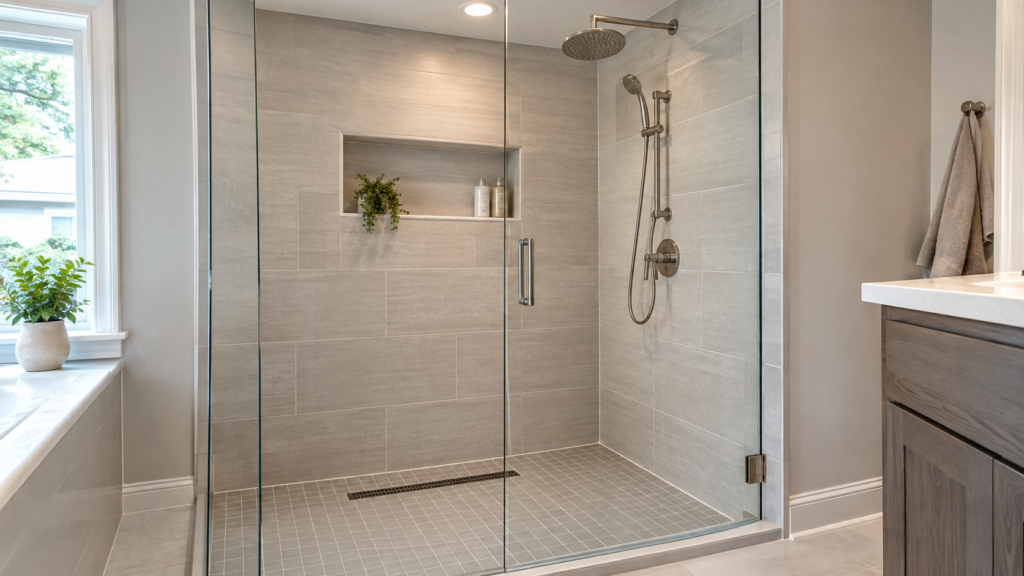
How Do You Prevent a Standing Shower From Leaking?
A leaking shower can cause more than an annoying puddle on the bathroom floor. Water that gets behind shower walls, around plumbing connections, or beneath the shower floor can contribute to damaged materials, mold growth, and costly repairs.
The good news is that many shower leaks can be prevented with proper planning, waterproofing, installation, and routine maintenance.
So, how do you prevent a standing shower from leaking? The most important steps include creating a reliable waterproofing system, installing the shower floor and drain correctly, sealing appropriate joints and penetrations, and addressing small signs of water problems before they become larger issues.
What Causes a Standing Shower to Leak?
A shower can leak for several different reasons. Sometimes the problem is an obvious plumbing connection, while other leaks develop behind finished surfaces and remain unnoticed for a long time.
Common causes include:
-
Poor or incomplete waterproofing
-
Improperly installed shower drains
-
Damaged or deteriorated seals
-
Cracked grout or caulk
-
Plumbing connection problems
-
Poorly sealed pipe penetrations
-
Improper shower-floor slope
-
Movement or damage around joints
-
Failed shower pan or waterproofing components
It is important to distinguish between a surface problem and a problem with the underlying shower assembly. For example, deteriorated caulk may allow water to reach areas that should remain protected, while a damaged waterproofing system can allow moisture to move behind the finished surface.
How Does Shower Waterproofing Prevent Leaks?
Waterproofing is one of the most important parts of a properly constructed shower.
Tile, grout, stone, acrylic, or other visible finishes should not be considered the only protection against water. A properly designed shower assembly uses a waterproofing method appropriate for the system and installation.
Depending on the shower design, waterproofing may involve a membrane, waterproof shower-pan system, or another approved method. The waterproofing system needs to work continuously around areas such as corners, joints, drains, niches, and plumbing penetrations.
If waterproofing is incomplete or improperly installed, water can potentially reach the underlying structure even when the finished surface looks perfectly intact.
Why Is the Shower Drain Important?
The drain is another critical part of leak prevention.
Water needs to move efficiently from the shower floor into the drain rather than collecting around the perimeter or beneath the finished surface. The shower floor should be constructed with the appropriate slope toward the drain.
The connection between the drain and the waterproofing system also needs to be properly integrated. A drain that is installed without properly connecting to the shower’s waterproofing assembly can create a potential path for water intrusion.
A slow or poorly draining shower can also leave water on the floor longer than intended, increasing the importance of proper drainage and regular maintenance.
How Can You Prevent Leaks Around Shower Fixtures?
Showerheads, valves, handles, and other fixtures require openings through the finished wall. These areas need to be properly installed and sealed according to the requirements of the shower system and fixture manufacturer.
Pipe penetrations are particularly important because they interrupt the wall surface and waterproofing assembly.
When fixtures are replaced or modified, homeowners should avoid assuming that applying surface caulk alone will solve every potential water-entry problem. If the underlying waterproofing or plumbing connection is damaged, the source of the problem needs to be addressed rather than simply covered.
Does Grout Prevent a Shower From Leaking?
Grout is important for completing a tiled shower surface, but it should not be relied upon as the primary waterproofing layer.
Cement-based grout can absorb some moisture, and grout joints can develop cracks or other deterioration over time. Even when the grout appears intact, the shower still needs an appropriate waterproofing system behind the finished surface.
This is why replacing cracked grout can be useful maintenance, but it should not be viewed as a substitute for properly designed shower waterproofing.
Should You Caulk Shower Corners?
Corners and changes in plane deserve particular attention because these areas can experience movement.
The appropriate sealant or joint treatment should be selected according to the shower system, materials, and manufacturer’s instructions. Deteriorated sealant should be inspected and replaced when necessary.
However, homeowners should not simply apply new caulk over a persistent leak without determining why water is getting into the area.
If moisture is coming from behind the shower surface, a cosmetic sealant repair may only hide the problem temporarily.
Important Considerations for Preventing Standing Shower Leaks
Preventing leaks involves more than sealing visible joints. The entire shower assembly—from the floor and drain to the walls and plumbing penetrations—needs to work together.
Area |
Important Considerations |
Why It Matters |
Waterproofing |
A shower should use a properly designed waterproofing system appropriate for the selected construction method and installed according to the applicable system requirements. |
Protects the underlying structure from repeated moisture exposure. |
Shower Floor |
The floor should be properly formed to direct water toward the drain rather than allowing water to collect in unintended areas. |
Effective drainage helps reduce prolonged water exposure and standing water. |
Drain Connection |
The drain should be properly integrated with the shower floor and waterproofing system. |
A poorly integrated drain can create a potential path for water intrusion. |
Corners & Joints |
Changes in plane and joints should be treated according to the selected shower system and manufacturer requirements. |
Properly treated joints help accommodate movement and manage moisture. |
Pipe Penetrations |
Openings around plumbing fixtures should be properly addressed as part of the waterproofing and installation process. |
These openings can otherwise become vulnerable points for water intrusion. |
Grout & Sealants |
Grout and sealants should be inspected and maintained, but they should not be considered a replacement for the underlying waterproofing system. |
Regular maintenance can address surface deterioration before it contributes to larger problems. |
Ventilation |
Bathroom ventilation should be adequate for the space and used during and after showers to help manage humidity. |
Reducing excessive humidity can help limit moisture-related problems in the bathroom. |
Source: The guidance above reflects established shower construction and moisture-management principles from the Tile Council of North America (TCNA), applicable ANSI tile standards, and residential/plumbing requirements published through organizations such as the International Code Council (ICC) and IAPMO. Specific waterproofing systems and installation requirements can vary by product, construction method, code edition, and local jurisdiction.
How Can You Tell if a Standing Shower Is Starting to Leak?
Some leaks are obvious, but others can develop gradually.
Watch for signs such as:
-
Water appearing outside the shower area
-
Persistent dampness near the shower
-
Discolored walls or ceilings below the bathroom
-
Soft or swollen wall materials
-
Cracked or deteriorating grout
-
Damaged caulk around corners or fixtures
-
Musty odors
-
Water stains on adjacent walls or ceilings
-
Unexplained moisture around the shower floor
A small visible problem does not necessarily mean the damage is small. If water continues to appear after the shower is used, it is better to investigate the source rather than repeatedly treating the visible symptom.
Can You Prevent Leaks During a Shower Remodel?
Yes. Prevention is easiest when leak protection is considered before the finished surfaces are installed.
During a shower remodel, the condition of the existing substrate should be evaluated. Damaged materials, outdated plumbing, or existing moisture problems may need to be addressed before new finishes are installed.
The shower layout should also be planned around the drain, plumbing connections, shower controls, niches, and other penetrations. Waterproofing details should be coordinated with these components rather than treated as an afterthought.
This is one reason professional planning matters when replacing an older shower or changing the bathroom layout.
How Often Should You Inspect a Standing Shower?
There is no universal inspection interval that applies to every residential shower, but homeowners should pay attention to the condition of the shower as part of normal bathroom maintenance.
Look periodically at:
-
Grout joints
-
Caulked corners
-
Fixture connections
-
Shower-door or enclosure seals
-
Drain performance
-
Visible signs of moisture
-
Areas around the shower that should remain dry
Addressing deteriorated sealants or other visible problems early can help prevent a small maintenance issue from developing into a larger repair.
What Should You Do If Your Standing Shower Is Already Leaking?
The first step is to determine where the water is coming from.
A leak may originate from plumbing, a fixture connection, the shower drain, the waterproofing assembly, or a deteriorated seal. Simply applying more caulk to the visible area may not resolve the underlying cause.
If water is reaching an adjacent wall, floor, ceiling, or other part of the home, the affected area should be evaluated promptly.
For an older shower, repeated repairs may also be a sign that the underlying shower assembly needs more extensive attention rather than another surface-level fix.
Why Choose JustFixToday for Shower and Home Improvement Projects?
Preventing a standing shower from leaking requires attention to details that are often hidden after construction is complete. Waterproofing, drainage, plumbing connections, surface preparation, and finishing all contribute to the final result.
JustFixToday helps homeowners in Alpharetta and surrounding communities with bathroom and home improvement projects. Our team can help evaluate existing problems and plan practical remodeling solutions based on the condition and layout of the space.
Whether you are dealing with an existing shower leak or planning a new installation, addressing moisture protection and drainage from the beginning can help reduce the risk of future problems.
Final Thoughts
The best way to prevent a standing shower from leaking is to treat leak prevention as a complete system rather than relying on grout or caulk alone.
Proper waterproofing, effective drainage, correctly installed drains and fixtures, well-treated joints, and regular maintenance all play a role in keeping water where it belongs.
If your existing shower is showing signs of leakage, identifying the source early can help prevent more extensive damage. And if you are remodeling, planning waterproofing and drainage before the finished materials are installed can provide a much stronger foundation for long-term performance.
Frequently Asked Questions
1. What is the most common cause of a leaking standing shower?
Common causes include problems with waterproofing, plumbing connections, shower drains, deteriorated sealants, and damaged joints. The visible location of water does not always indicate where the leak actually originates.
2. Does grout need to be waterproof?
Grout and the finished shower surface should not be treated as the primary waterproofing system. A properly designed shower needs an appropriate waterproofing assembly behind or beneath the finished surface.
3. Can caulking stop a shower leak?
Caulking can address certain deteriorated surface joints, but it may not solve a leak caused by damaged plumbing, drainage, or underlying waterproofing. Persistent leaks should be investigated to identify the actual source.
4. How do I know if water is getting behind my shower wall?
Signs can include dampness, discoloration, swelling, musty odors, damaged surfaces, or moisture appearing outside the shower area. Some hidden leaks may not show obvious signs until damage has progressed.
5. Can an old standing shower be waterproofed again?
It depends on the condition and construction of the existing shower. In some situations, localized repairs may be appropriate, while extensive waterproofing problems may require removal and rebuilding of part or all of the shower assembly.
Ready to Protect Your Shower From Leaks?
If you’re dealing with a leaking shower or planning a new shower installation in Alpharetta, proper waterproofing and drainage should be part of the plan from the beginning. JustFixToday can help evaluate your bathroom and determine practical options for addressing shower and home improvement needs.
Call +1 678-549-8083 or visit JustFixToday to discuss your project.